
← All Projects
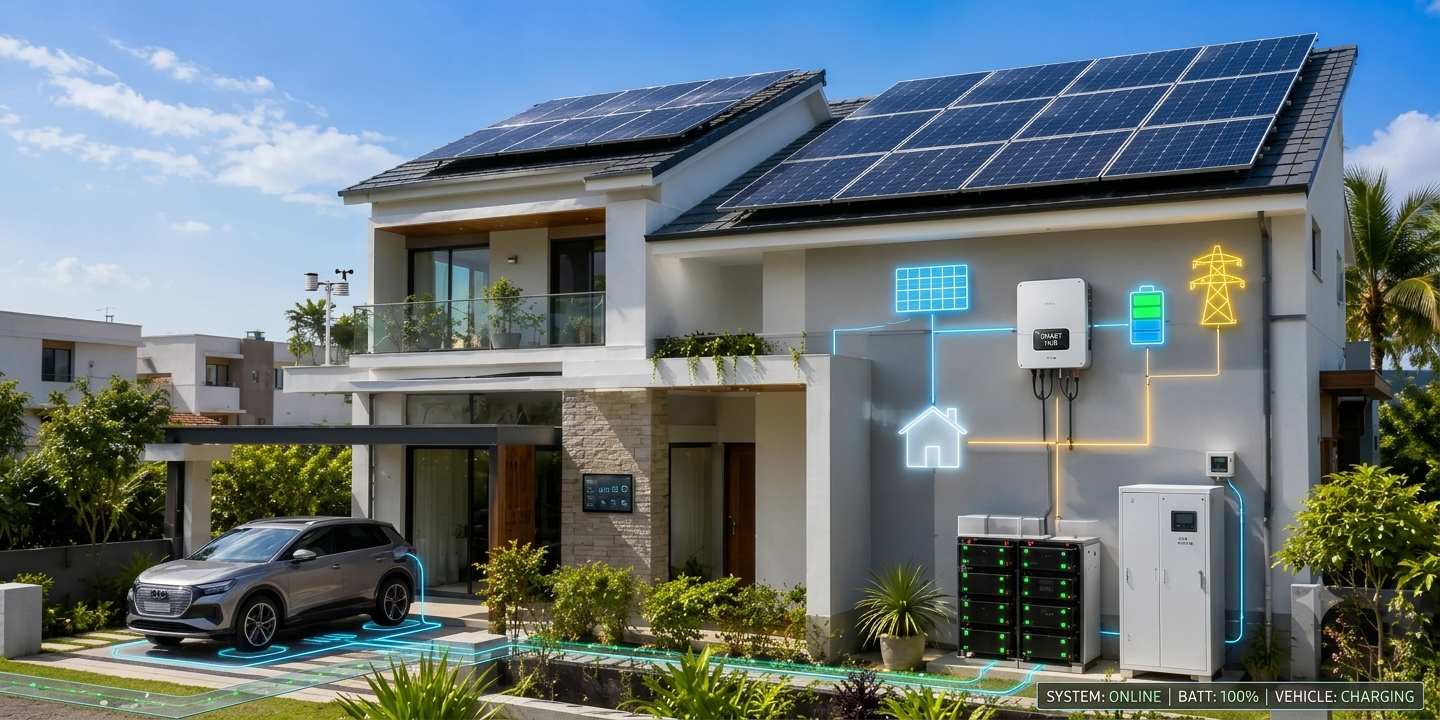
Hybrid solar and battery backup
1. Project Overview
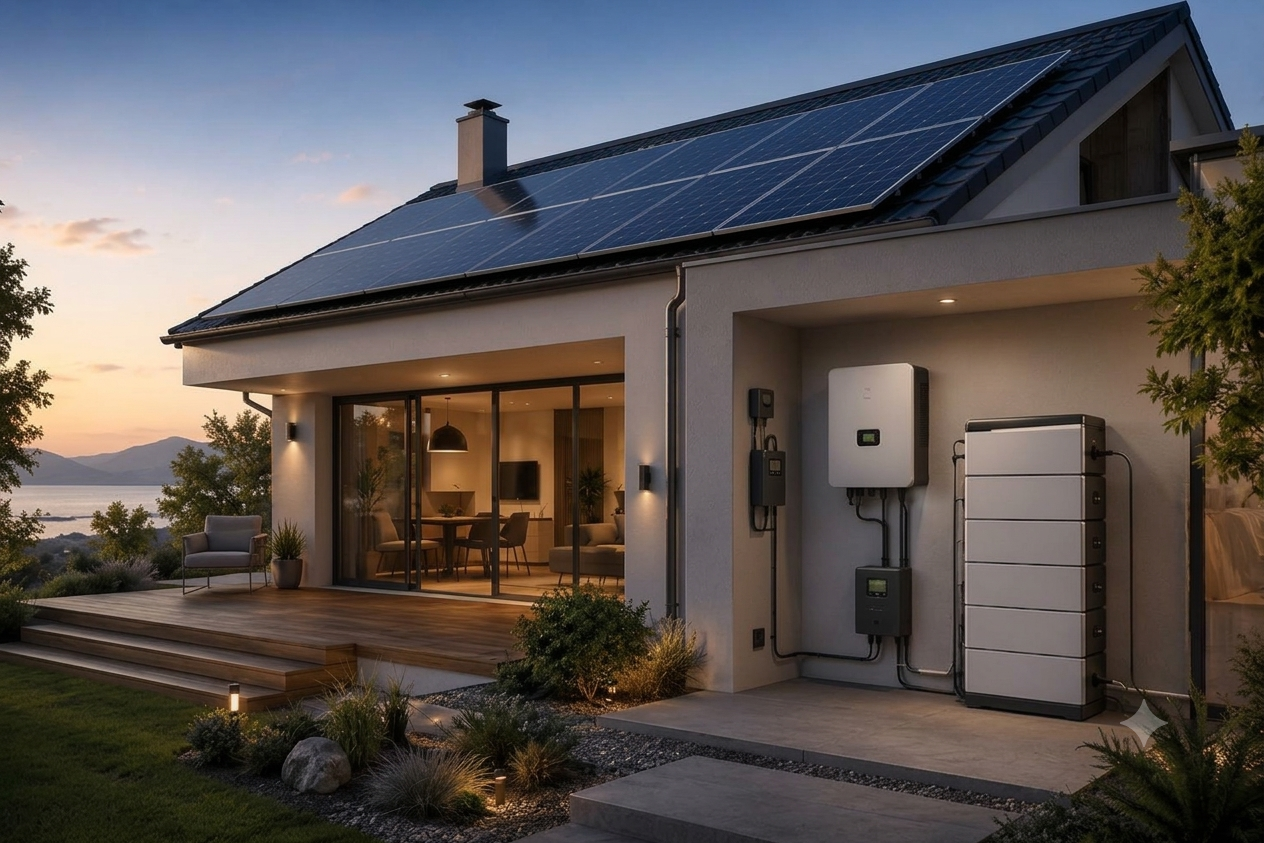
The Hybrid Solar and Battery Backup Project combines solar photovoltaic (PV) panels, a hybrid inverter, and battery storage to provide an efficient and reliable electricity supply. Solar panels generate electricity during daylight hours, while surplus energy can be stored in batteries for use at night or during power outages.
This system is suitable for residential buildings, offices, shops, hospitals, educational institutions, and commercial facilities. Depending on system design, it can also use grid electricity when solar generation and battery power are insufficient.
2. Step-by-Step Project Installation Process
----------------------------------------------------------------------------
Step 1: Site Survey and Energy Assessment
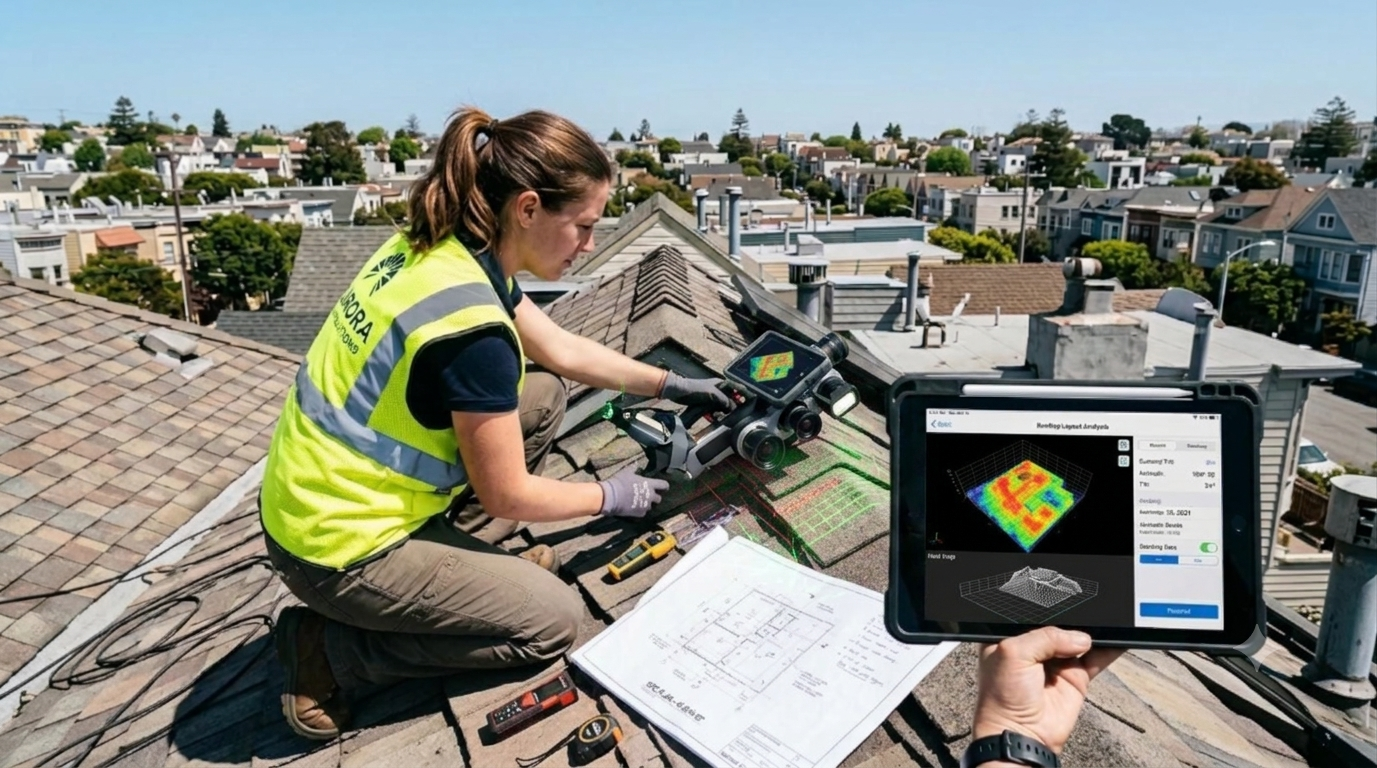
The first step involves inspecting the installation site to evaluate available roof space, sunlight exposure, shading, structural strength, and electrical safety. The customer's electricity bills, connected loads, and daily power consumption are assessed to understand energy requirements.
Based on this assessment, the suitable solar capacity and battery backup requirement are estimated. This helps determine the appropriate system size for reliable performance and efficient energy use.
Step 2: System Design and Engineering
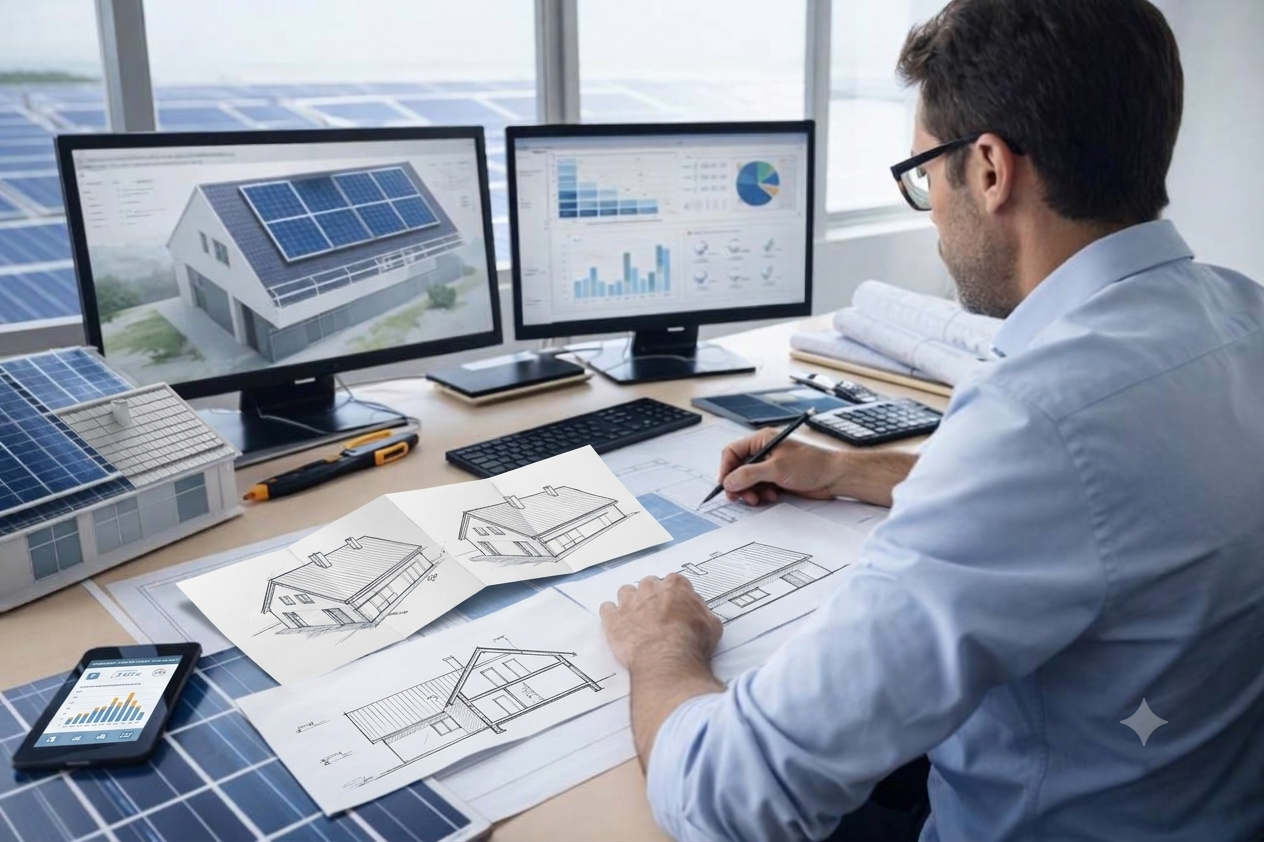
A customized system design is prepared according to the site's energy demand and backup requirements. This includes selecting solar panel capacity, hybrid inverter specifications, battery capacity, mounting structures, cable sizes, and electrical protection devices.
The design also considers the expected backup duration, essential electrical loads, available installation space, and future expansion needs. Proper engineering helps improve system efficiency, safety, and long-term reliability.
Step 3: Approvals and Documentation
The required technical documents, electrical drawings, equipment specifications, and installation plans are prepared before work begins. Where applicable, grid-connected systems may require feasibility approval, sanctioned-load verification, and permission from the local electricity distribution company (DISCOM).
The documentation process depends on the system configuration and applicable electricity regulations. Any required approvals are coordinated before grid connection and commissioning.
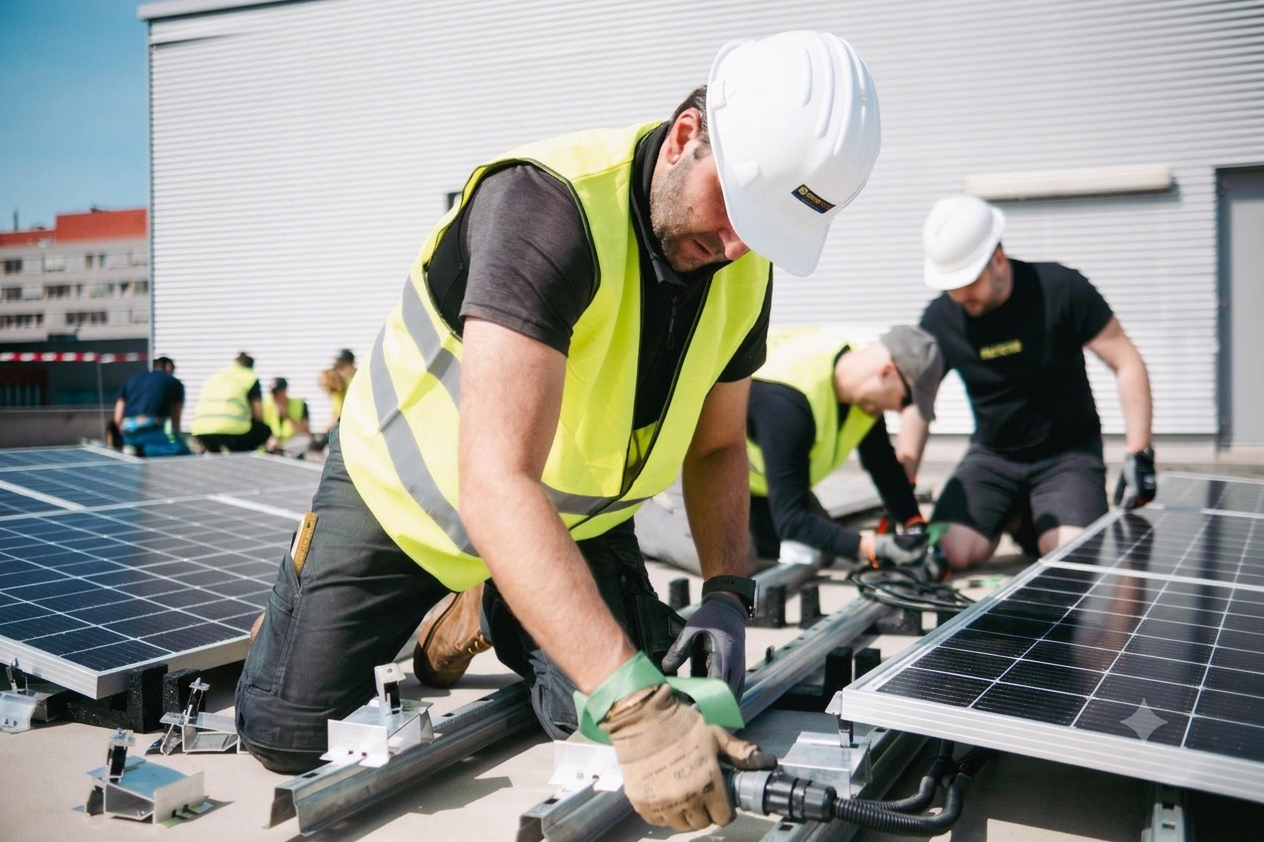
Step 4: Mounting Structure Installation
A strong and corrosion-resistant mounting structure is installed to support the solar panels securely. The structure is selected according to the roof type, panel arrangement, wind-load requirements, and site conditions.
Correct alignment, anchoring, waterproofing, and drainage clearance are checked during installation. A properly installed structure provides stability and helps protect the rooftop and solar equipment over the system's service life.
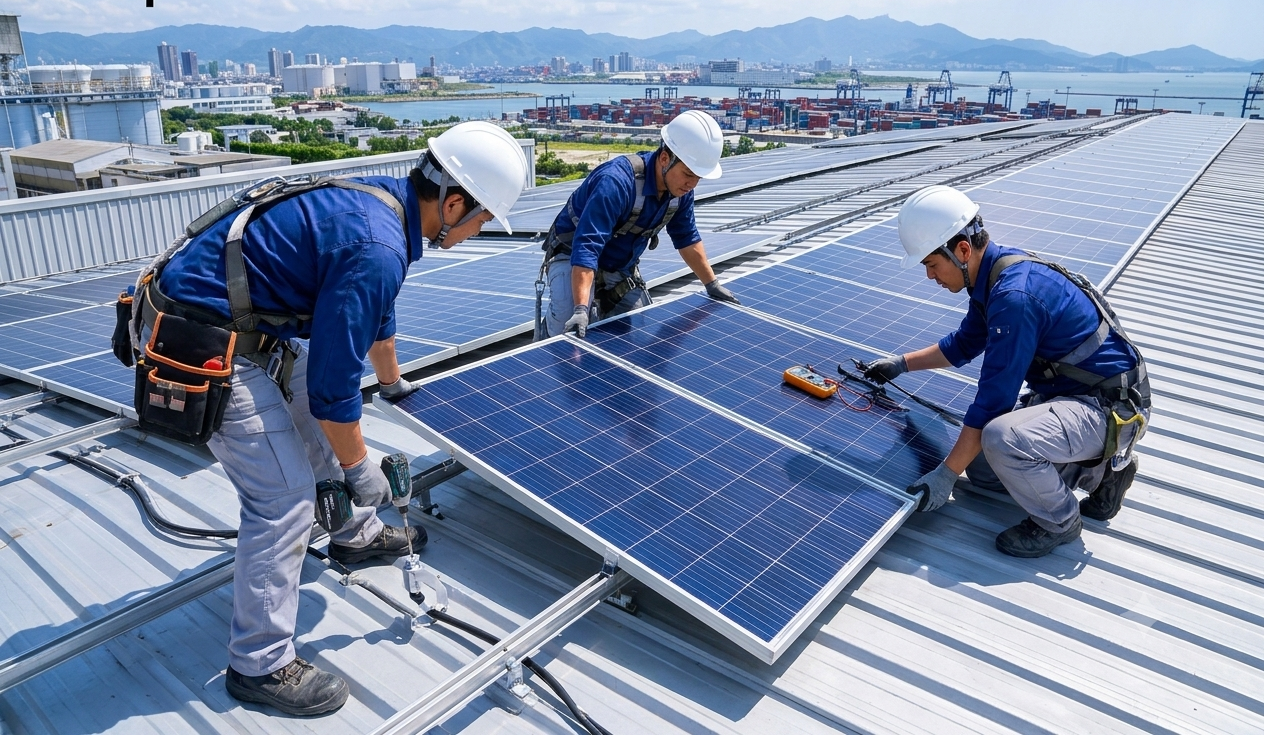
Step 5: Solar Panel Installation
Solar PV modules are mounted on the prepared structure and positioned to receive maximum practical sunlight. The panels are arranged to minimize shading and maintain suitable spacing for ventilation, cleaning, and maintenance.
The modules are connected using compatible solar cables and connectors according to the approved electrical design. Proper installation helps the panels generate electricity efficiently throughout the day.
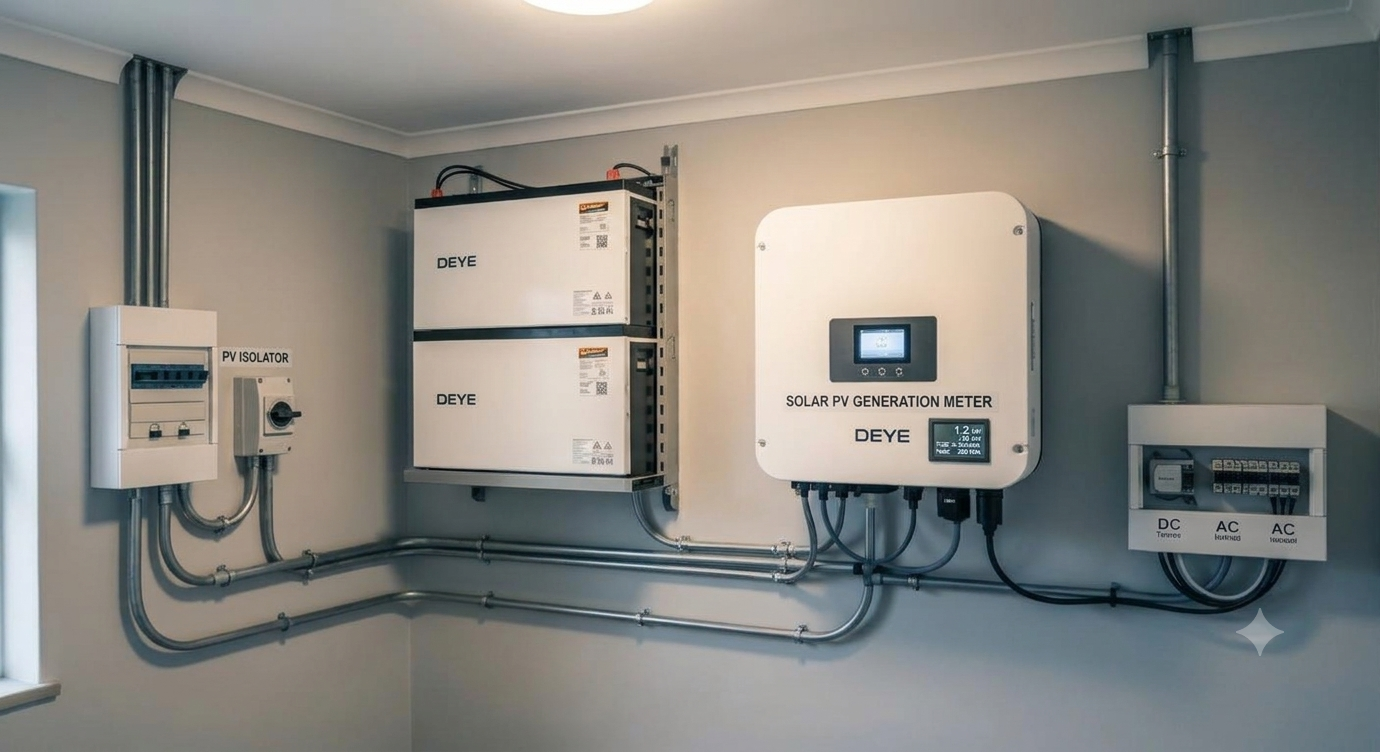
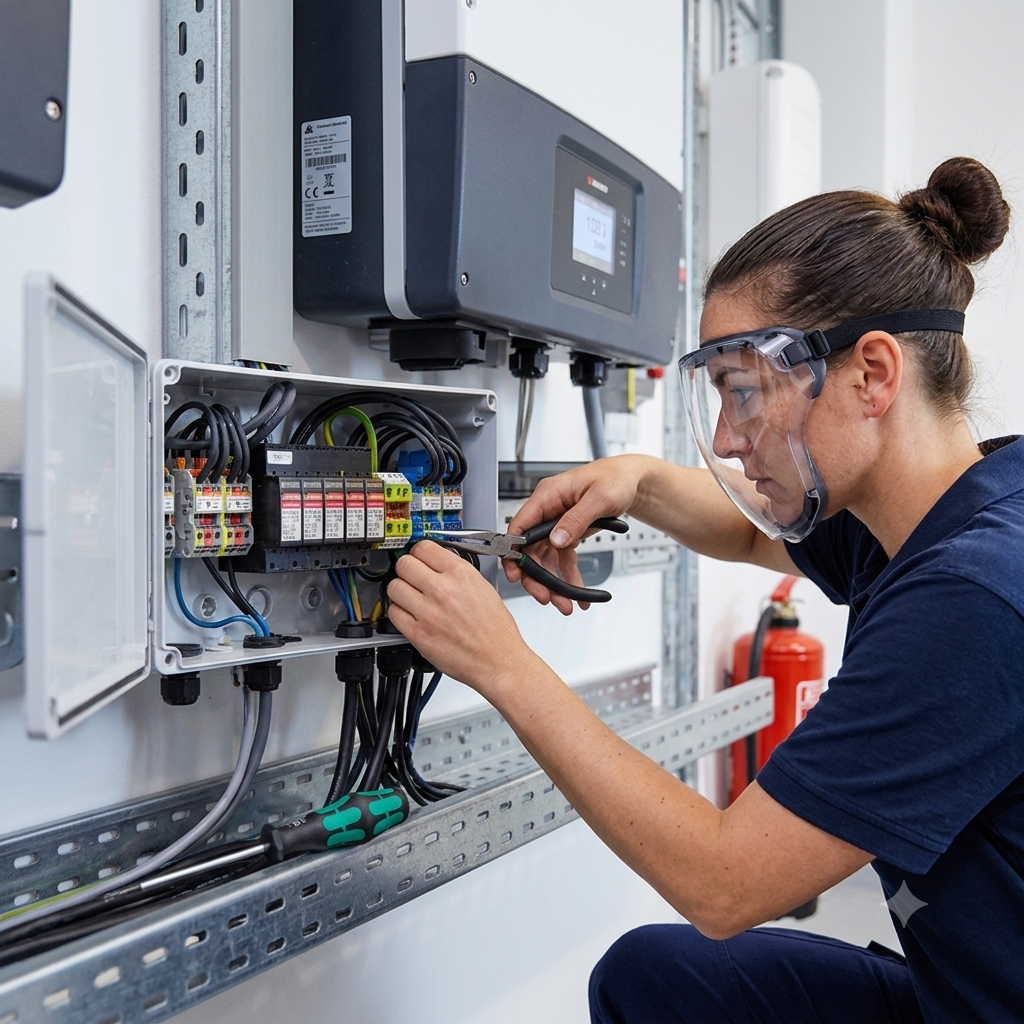
Step 6: Hybrid Inverter and Electrical Integration
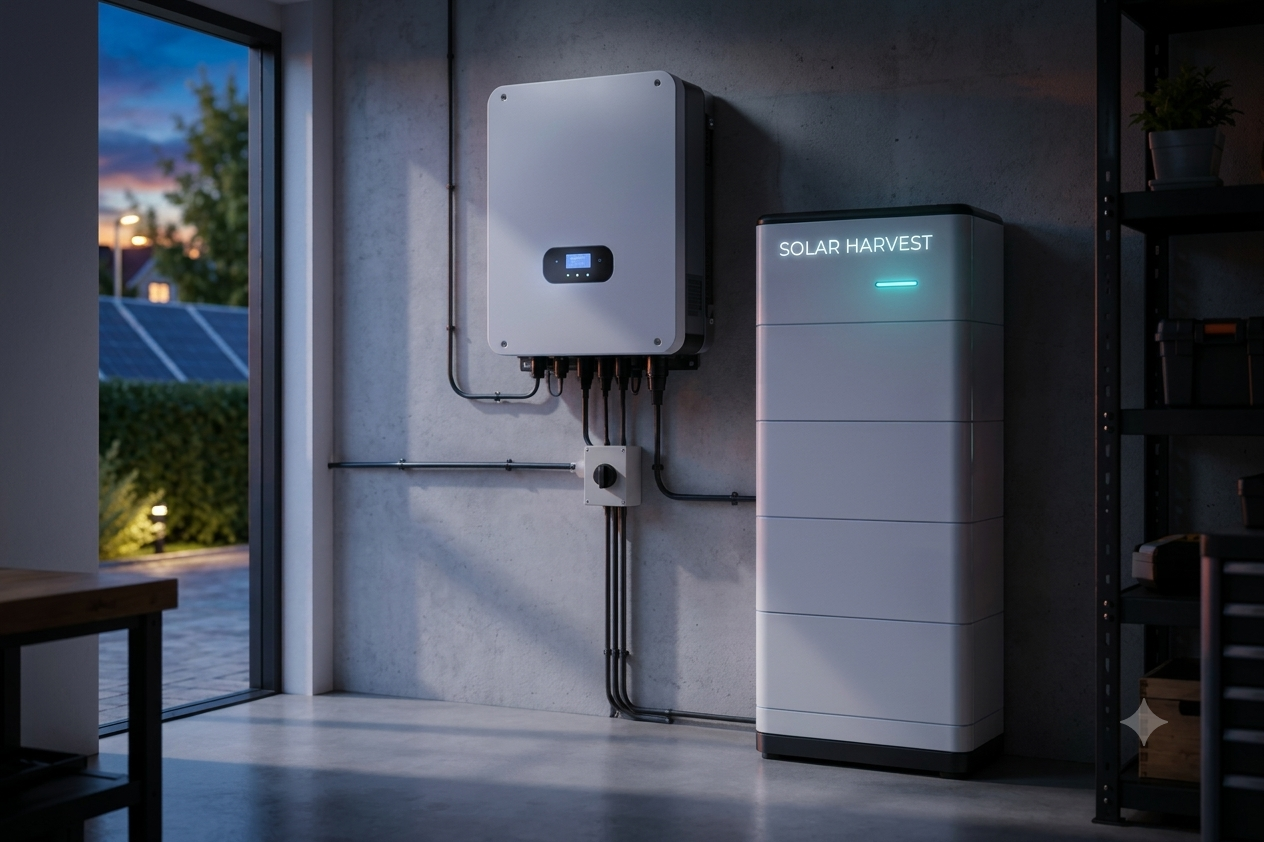
The hybrid inverter is installed in a suitable, ventilated location protected from excessive heat, moisture, and direct environmental exposure. It converts DC electricity from solar panels into usable AC electricity and manages energy flow between solar generation, battery storage, and the grid where applicable.
The inverter is configured according to the selected battery, system voltage, output capacity, and connected loads. Proper cable sizing, circuit protection, and electrical connections are essential for safe and stable operation.
Step 7: Battery Installation and Configuration
Battery storage is installed to store surplus solar energy for later use. The battery type and capacity are selected according to the customer's backup requirements, essential loads, and expected duration of power outages.
The battery is connected to a compatible hybrid inverter using the manufacturer's recommended wiring and protection equipment. Battery settings, charging limits, discharge limits, and battery management system (BMS) communication are configured as required.
Step 8: Earthing and Electrical Safety
Electrical safety measures are installed to protect people and equipment from electrical faults and surges. These may include protective earthing, bonding, DC and AC isolators, circuit breakers, surge protection devices, and suitable cable management.
All protection equipment is selected according to the system design, equipment instructions, and applicable electrical standards. Connections and protective devices are inspected before the system is energized.
Step 9: Testing and Commissioning
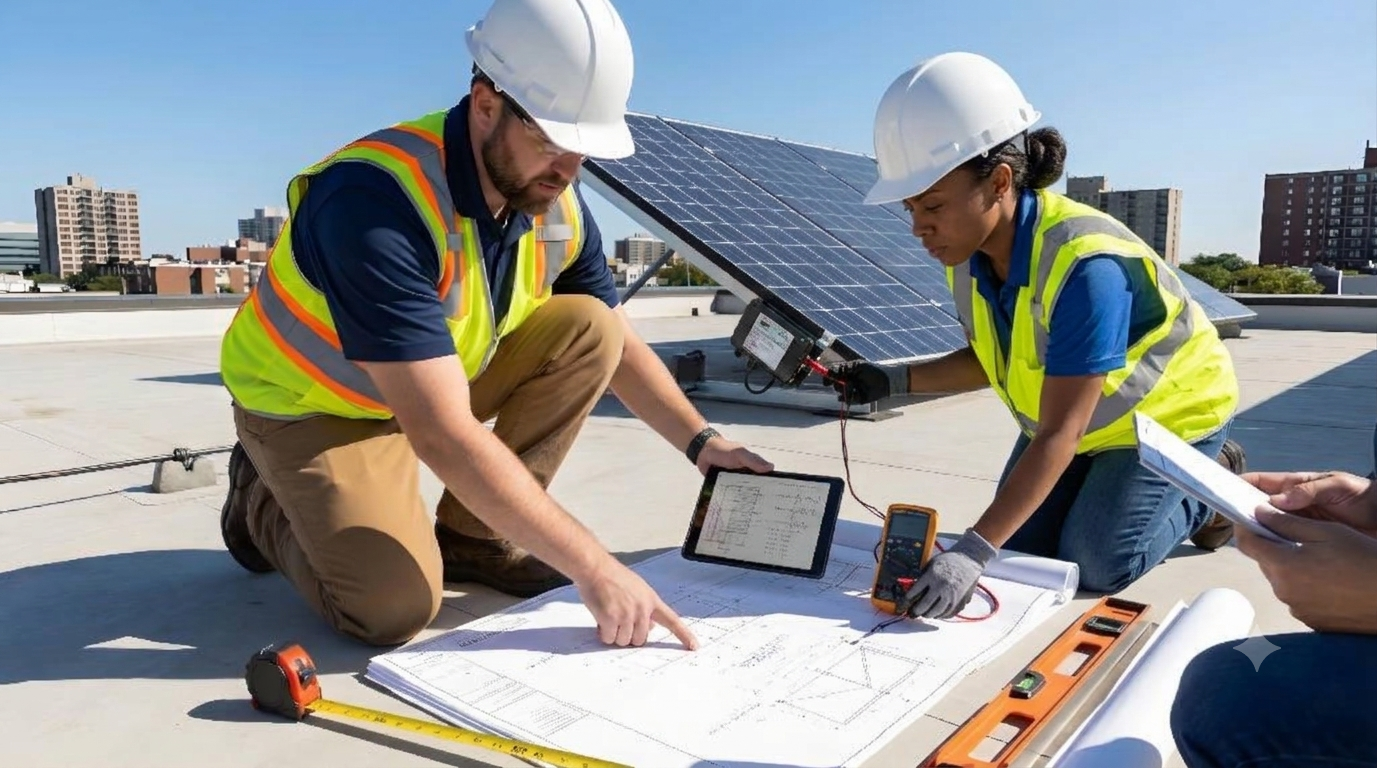
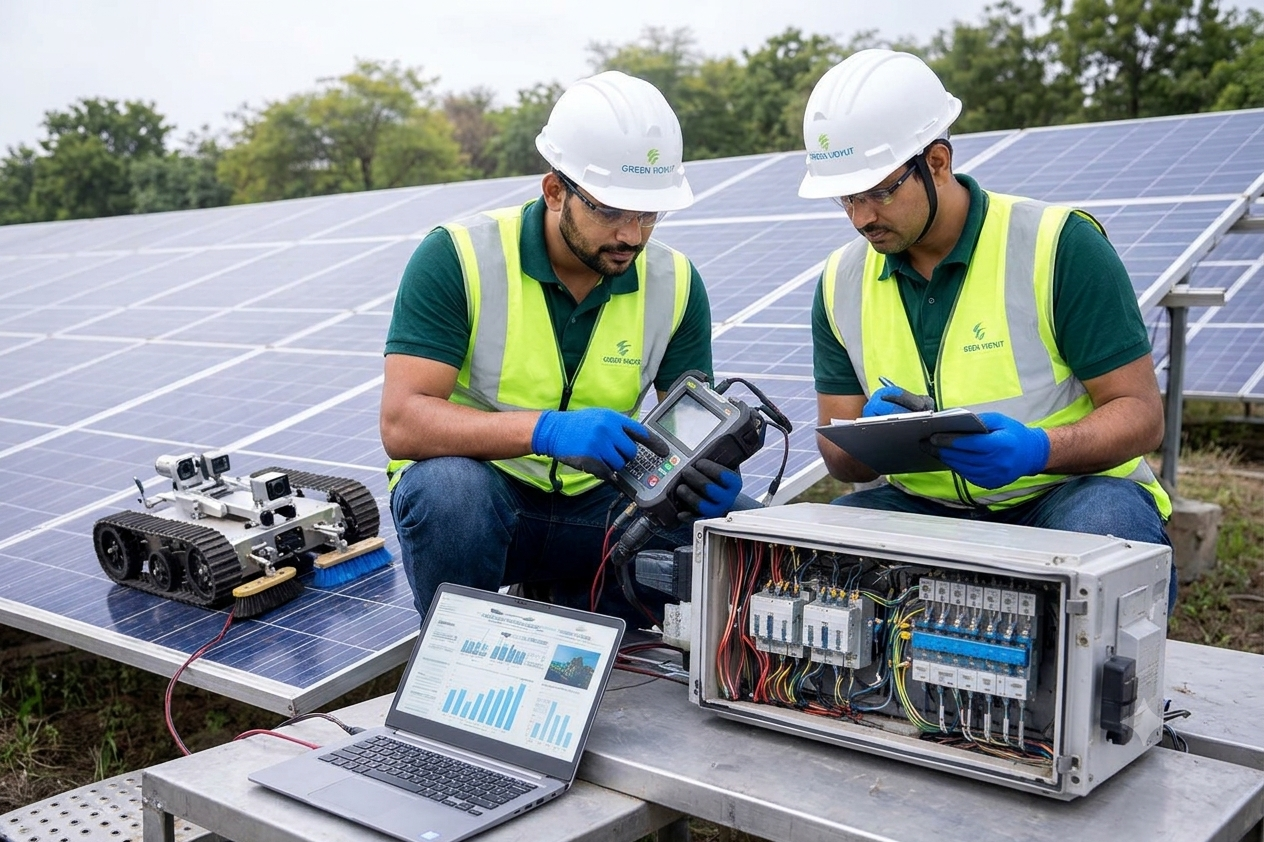
After installation, the complete system is tested to verify electrical connections, solar generation, inverter operation, battery charging, and backup functionality. The technician checks protection settings, system parameters, and communication between the inverter and battery.
Where backup operation is required, the designated backup loads are tested under suitable conditions. Once all checks are completed successfully, the system is commissioned and prepared for normal operation.
Step 10: Net Metering and Grid Connection
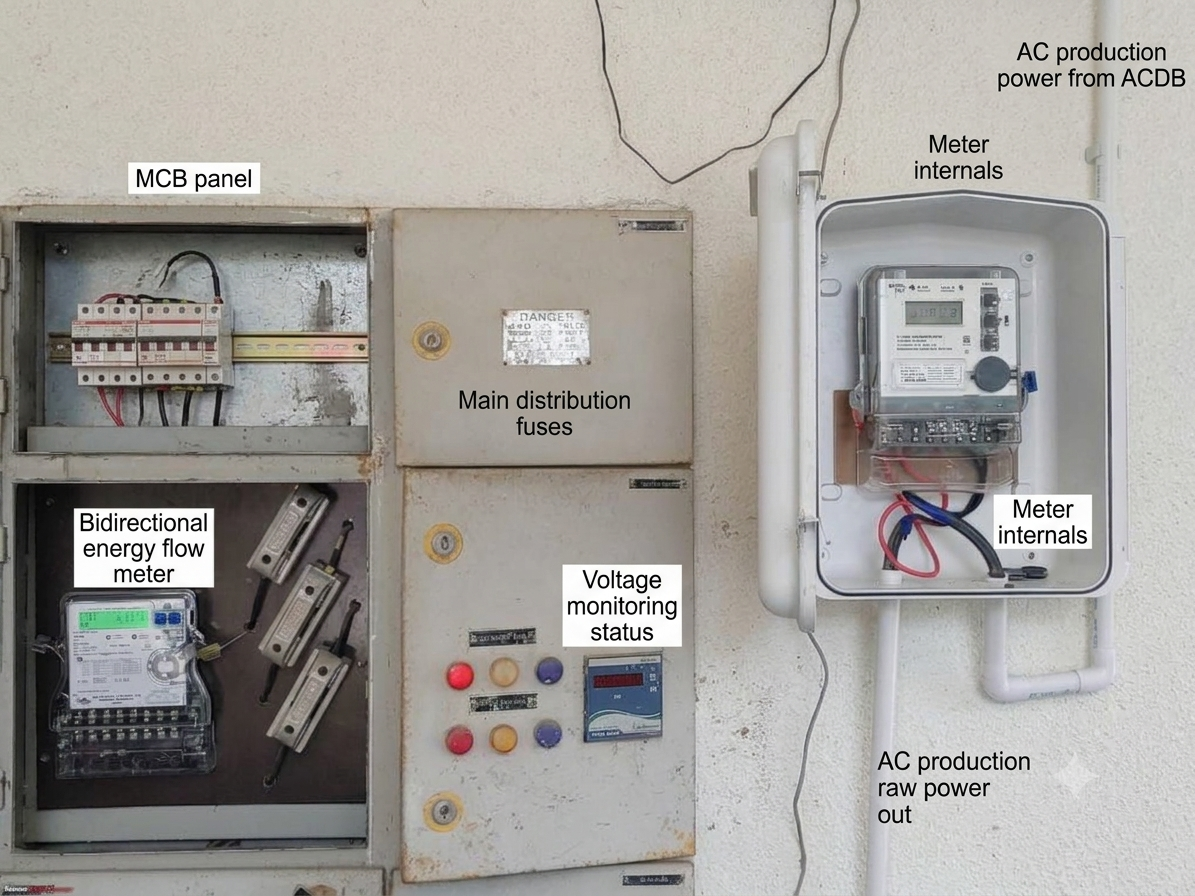
For an approved grid-connected hybrid system, the installation may be connected to the utility grid after the applicable approvals and inspections. Where permitted, a bidirectional meter records electricity imported from and exported to the grid.
The inverter's grid settings and export configuration must comply with local DISCOM requirements. Battery backup during grid outages depends on compatible backup circuitry and proper isolation; a standard grid-connected inverter alone may shut down during an outage.
Step 11: Performance Monitoring
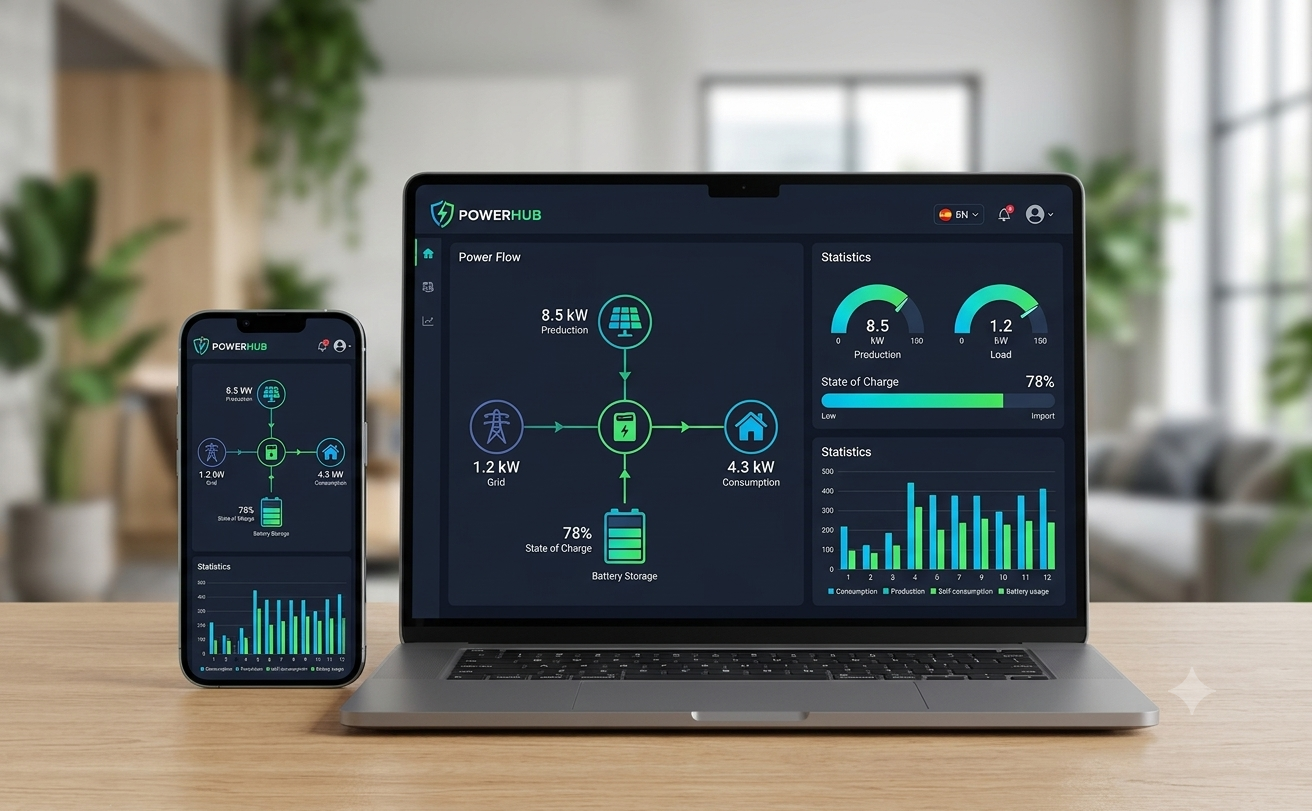
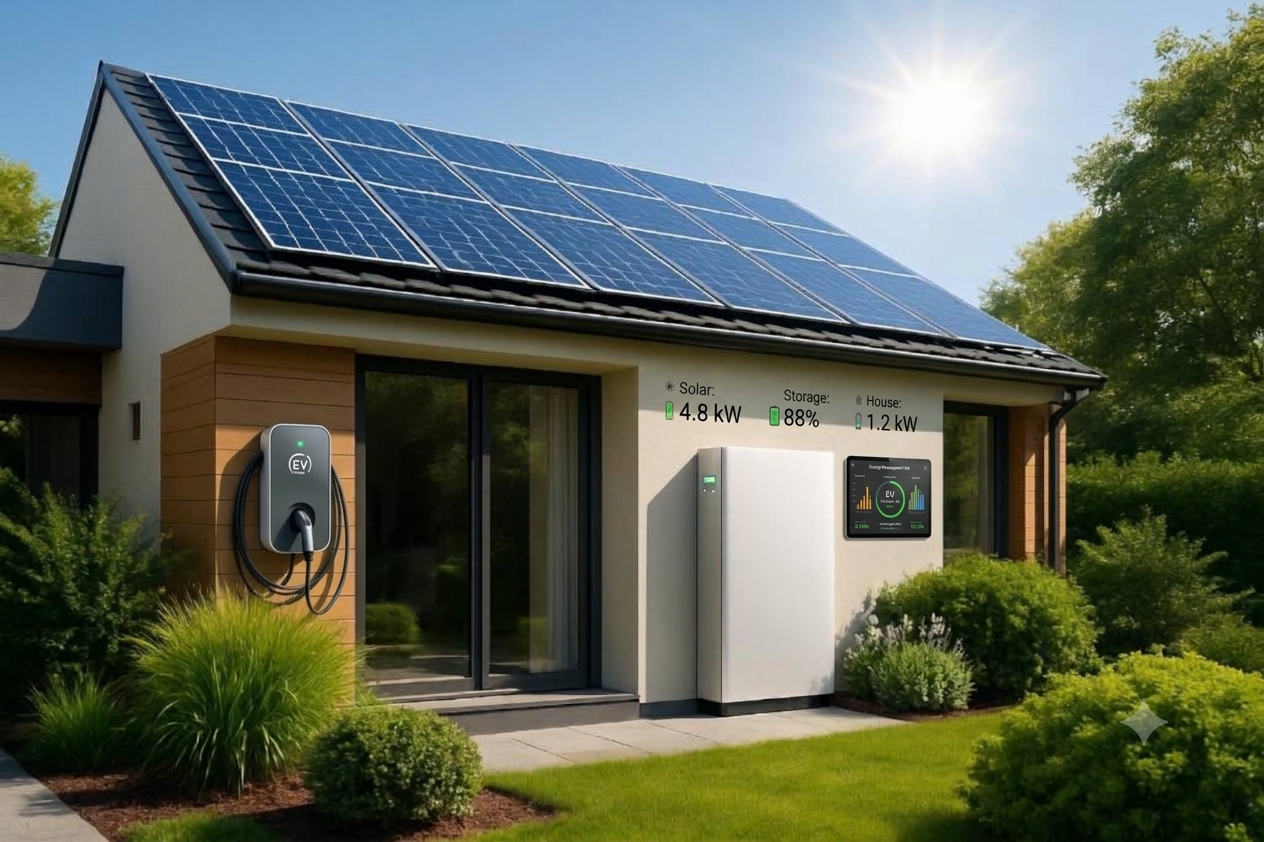
A compatible monitoring system or mobile application can display solar generation, battery state of charge, household consumption, grid import, and other available performance data.
Regular monitoring helps users understand energy usage and identify unusual changes in generation or battery performance. Alerts and system reports, where supported, can assist in timely troubleshooting and maintenance.
Step 12: Operation and Maintenance
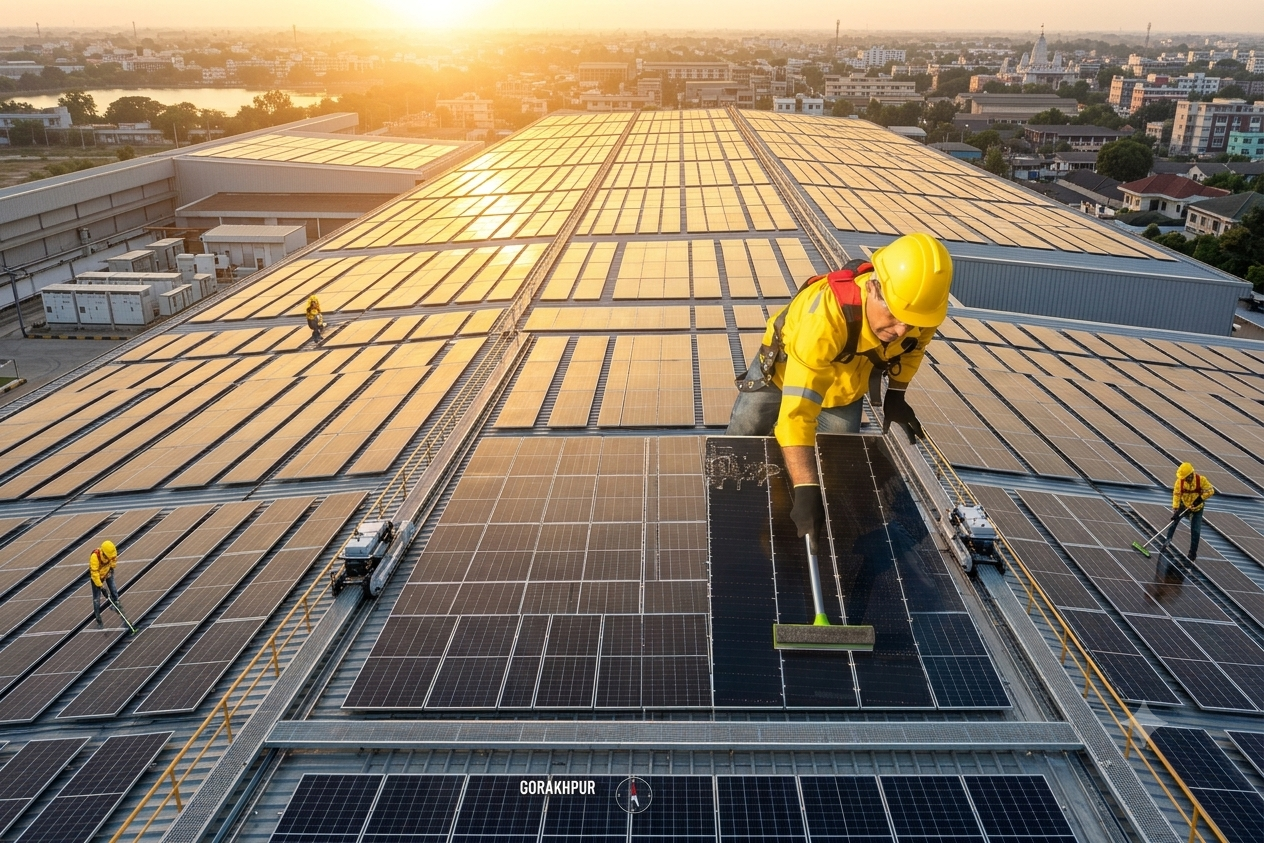
Routine maintenance helps maintain system efficiency and operational safety. It includes cleaning panels when necessary, inspecting cables and connectors, checking mounting hardware, reviewing inverter alerts, and following the battery manufacturer's maintenance instructions.
The system should be inspected periodically by qualified technicians. Proper maintenance helps identify potential issues early and supports reliable performance throughout the equipment's service life.
3. How the Hybrid Solar and Battery Backup System Works
------------------------------------------------------------------------------------------------------
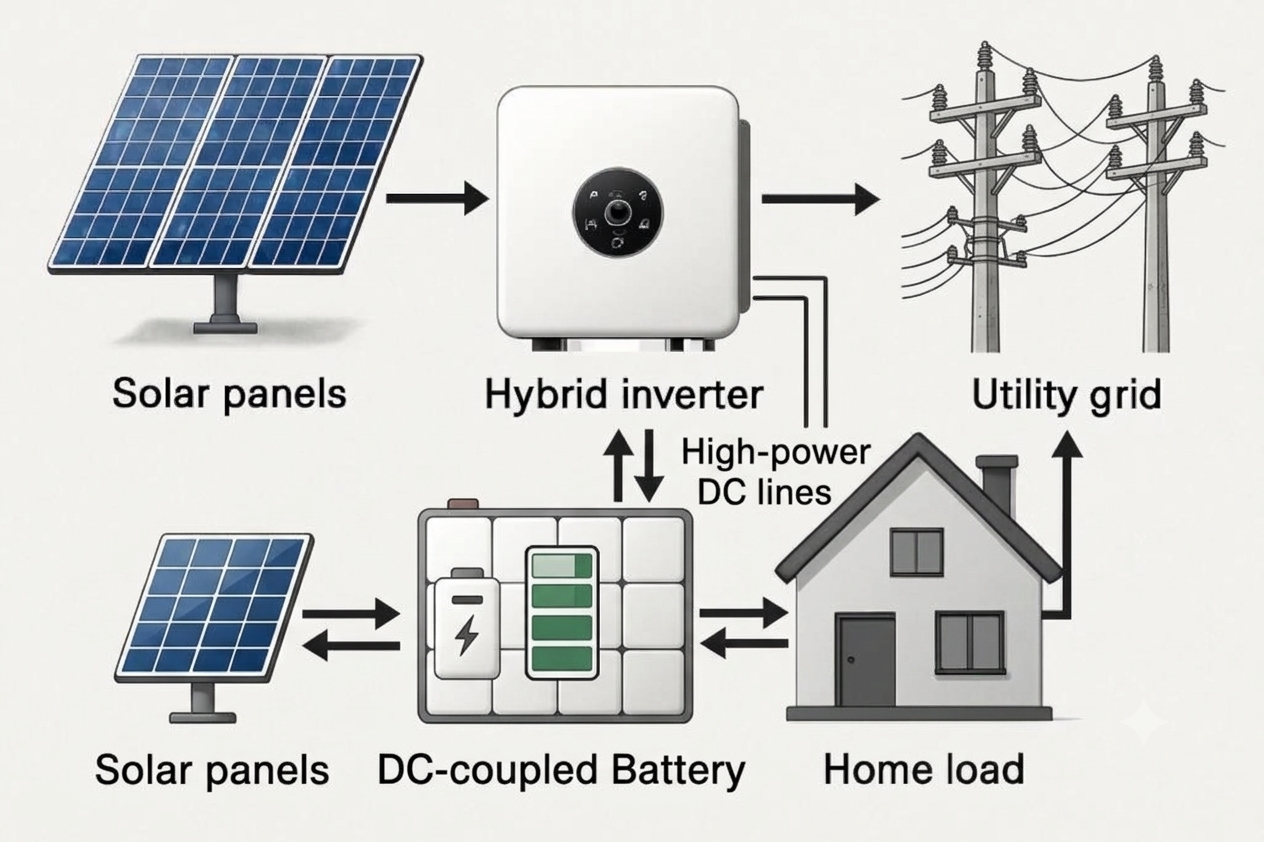
The system manages electricity through the following process:
1. Solar generation: Solar panels convert sunlight into DC electricity.
2. Power conversion: The hybrid inverter converts solar electricity into usable AC power.
3. Load supply: Solar energy supplies connected electrical loads according to system configuration.
4. Battery charging: Surplus solar energy charges the battery when charging conditions permit.
5. Backup operation: During a grid outage, compatible backup equipment supplies designated loads using available solar and battery power.
6. Grid support: When solar and battery energy are insufficient, the system may draw electricity from the grid if it is available and the configuration permits.
Actual power flow depends on inverter settings, battery capacity, connected loads, sunlight, and grid availability.
4. Major Components Used in the Project
---------------------------------------------------------------------------
Major Components
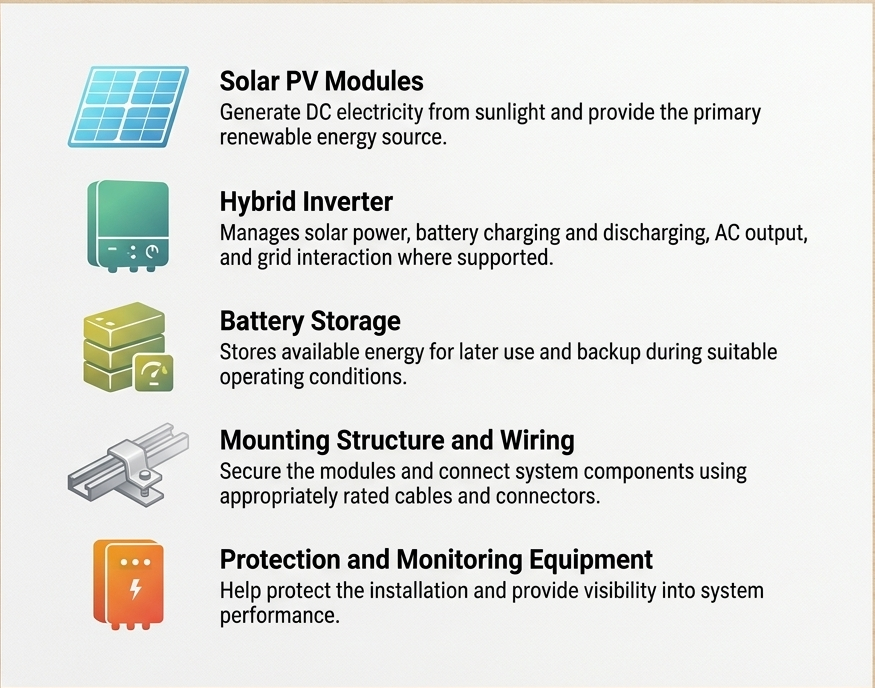
The Hybrid Solar and Battery Backup System consists of several essential components that work together to generate solar electricity, store excess energy, and provide backup power when required. Each component is selected according to the system capacity, energy consumption, backup duration, and installation requirements.
4.1 Solar PV Modules
Solar PV modules convert sunlight into direct current (DC) electricity through the photovoltaic effect. The number and capacity of panels are determined by the property's energy demand, available installation space, and expected solar generation. High-quality modules with suitable efficiency, durability, and performance warranties help ensure reliable long-term energy production.
4.2 Hybrid Solar Inverter
The hybrid inverter is the central control unit of the system. It converts DC electricity from the solar panels and battery into usable AC electricity and manages energy flow between solar generation, battery storage, and the utility grid where supported. Advanced models may include programmable charging schedules, backup output, remote monitoring, and intelligent energy management.
4.3 Battery Energy Storage System
The battery storage system stores surplus solar electricity for use when solar generation is low or during grid outages. Battery capacity is selected according to the required backup duration and the power consumption of essential appliances or equipment. Compatible lithium iron phosphate (LiFePO₄) or other approved batteries can include a battery management system (BMS) to monitor voltage, temperature, charging, and discharging for safer operation.
4.4 Solar Mounting Structure
The mounting structure securely supports the solar modules on the rooftop or another suitable installation area. It is designed according to the roof type, panel orientation, wind loads, and site conditions. Proper anchoring, corrosion resistance, waterproofing, and drainage clearance help maintain structural stability and protect the building.
5. Key Benefits of the Project
-Backup power: Supports selected loads during outages when the backup system is correctly configured.
-Reduced electricity costs: Solar generation can reduce the amount of electricity purchased from the grid.
-Better solar utilization: Excess solar energy can be stored for use when sunlight is unavailable.
-Energy independence: Reduces reliance on grid electricity, depending on system capacity and usage.
-Clean energy: Uses renewable solar power and can reduce emissions associated with grid electricity.
-Flexible design: Can be designed for homes, offices, shops, and selected commercial applications.
Project Outcome
The completed Hybrid Solar and Battery Backup Project provides an integrated solution for solar electricity generation, battery energy storage, and backup power. With suitable system sizing, professional installation, and regular maintenance, it can improve energy management and help maintain power to designated loads during grid interruptions.
Actual savings and backup duration depend on solar production, battery capacity, connected load, weather conditions, and system configuration.